Growing up with hearing aids: Gryffen's journey from fitting in to finding confidence
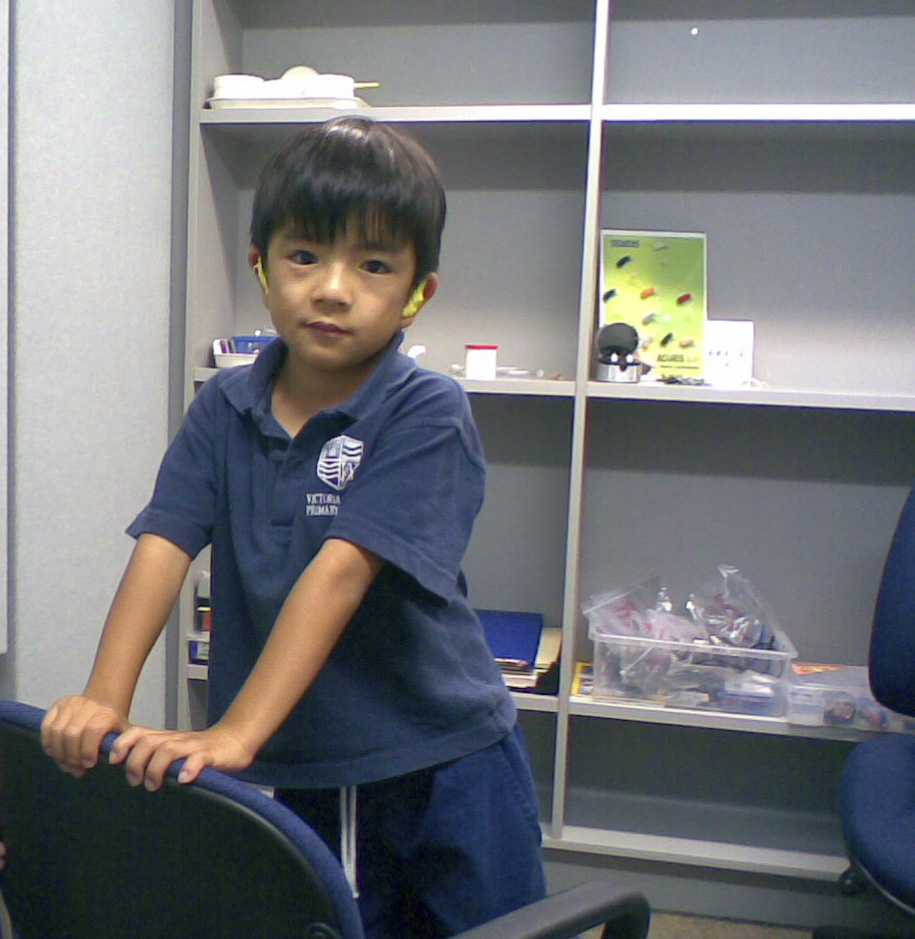 For Gryffen, hearing aids have been part of life for almost as long as he can remember.
Now 24 and a member of the Deaf and Hard of Hearing Foundation’s Youth Advisory Group, Gryffen has worn hearing aids in both ears since he was two years old.
Although he passed his newborn hearing screening, his parents later began to notice things that did not seem quite right. His speech was delayed. He could not hear planes flying overhead. Eventually, they discovered that Gryffen was hard of hearing.
But identifying hearing loss was only the beginning of his journey.
Wanting to fit in
Growing up, Gryffen was very aware that his hearing aids made him visibly different.
Like many parents, his mum worried that as he got older, he might stop wearing them because he wanted to fit in. Gryffen had those worries too.
“I worried that people would judge me because they could see my hearing aids,” he says. “Sometimes I thought people didn’t talk to me because they assumed I couldn’t hear them.”
There were even times when he questioned whether his own hearing loss was “bad enough” to need hearing aids.
But taking them off would have meant missing far more than he gained by trying to hide them. So, Gryffen kept wearing them.
Over time, he began to understand that hearing aids were not something that separated him from everyone else. They were one of the tools that helped him learn, communicate and be involved.
Finding his own way to participate
School also taught Gryffen how important it was to advocate for what he needed.
He became comfortable telling teachers about his hearing loss and used a Remote Mic in the classroom, allowing the teacher’s voice to reach him more clearly above all the background noise. It became something he embraced rather than avoided.
“I actually loved handing the Remote Mic to my teacher,” Gryffen remembers. “It felt like a superpower because I no longer had to compete with all the background noise.”
That change in perspective did not happen overnight. It came through understanding his own hearing loss, learning what helped him and becoming less concerned about what other people might think.
“One thing I have learned is that hearing loss looks different for everyone,” he says. “Every person’s hearing journey is different, and every one of them is valid.”
From needing support to supporting others
 Today, Gryffen works as a Teacher Aide and has seen hearing technology make a difference from the other side of the classroom too. He supports a Year 8 student who previously wore hearing aids and now has cochlear implants.
Gryffen has watched them become better able to hear, communicate and participate with their classmates without having to work as hard simply to keep up with conversations.
His own experiences have also made him passionate about helping other people understand hearing loss.
“Many people simply don’t understand what it is like to have an invisible disability,” he says. “When people learn more about hearing loss and hearing technology, they become more understanding and supportive.”
The young person who once worried about being judged for his hearing aids now advocates for himself and for other Deaf and hard of hearing people.
And the hearing aids he once worried about would make him stand out have become something he describes very differently.
“I like to think of hearing aids as a superpower. They help us hear things that we otherwise couldn’t.”
Every young person deserves the chance to understand their hearing
Gryffen’s story shows that discovering hearing loss is not the end of the journey.
Young people may still have questions about fitting in, being different and how others will see them. They need information, understanding and people around them who make it easier to ask for the support they need.
But first, hearing difficulties need to be recognised.
Through the Deaf and Hard of Hearing Foundation’s Year 9 Hearing Screening Programme, we are helping identify potential hearing issues in young people and guiding students and their families towards appropriate next steps.
Because when a young person understands what they are experiencing, they can begin finding the tools, support and confidence that work for them.
For Gryffen, that journey eventually turned something he once worried about into something he is proud of. And today, he is using that experience to help make the journey a little easier for the young people coming after him.



No Comments
Comment below
Related Posts
William's story: When hearing loss goes unnoticed
Kiara's story: Hearing loss, stigma and confidence