"I thought it was just background noise" - Barry's story
Barry and his wife Gillian moved into their retirement village in Porirua about 18 months ago. After more than 55 years together, she knew him well enough to notice something subtle.
“You don’t listen,” she told him.
At first, Barry brushed it off with humour. Maybe he was being selective. Maybe it was background noise. Maybe people were speaking too fast.
But slowly, the small frustrations began to add up.
Conversations at the weekly residents’ drinks became harder. Background chatter blurred into a wall of sound. One-on-one chats required more effort. What began as “marginal” hearing loss gradually became something he could no longer ignore.
Karen, an audiologist at Resonate, explains what Barry experienced:
"When you begin to lose your hearing, your brain doesn't receive the information it expects and has to work overtime to fill in the gaps. Over time, more of your brain's energy is spent on everyday tasks, like following conversations, especially in noisy environments. That extra effort can lead to cognitive decline, social isolation, and leave you feeling mentally exhausted."
A presentation that made him "Poke up is ears"
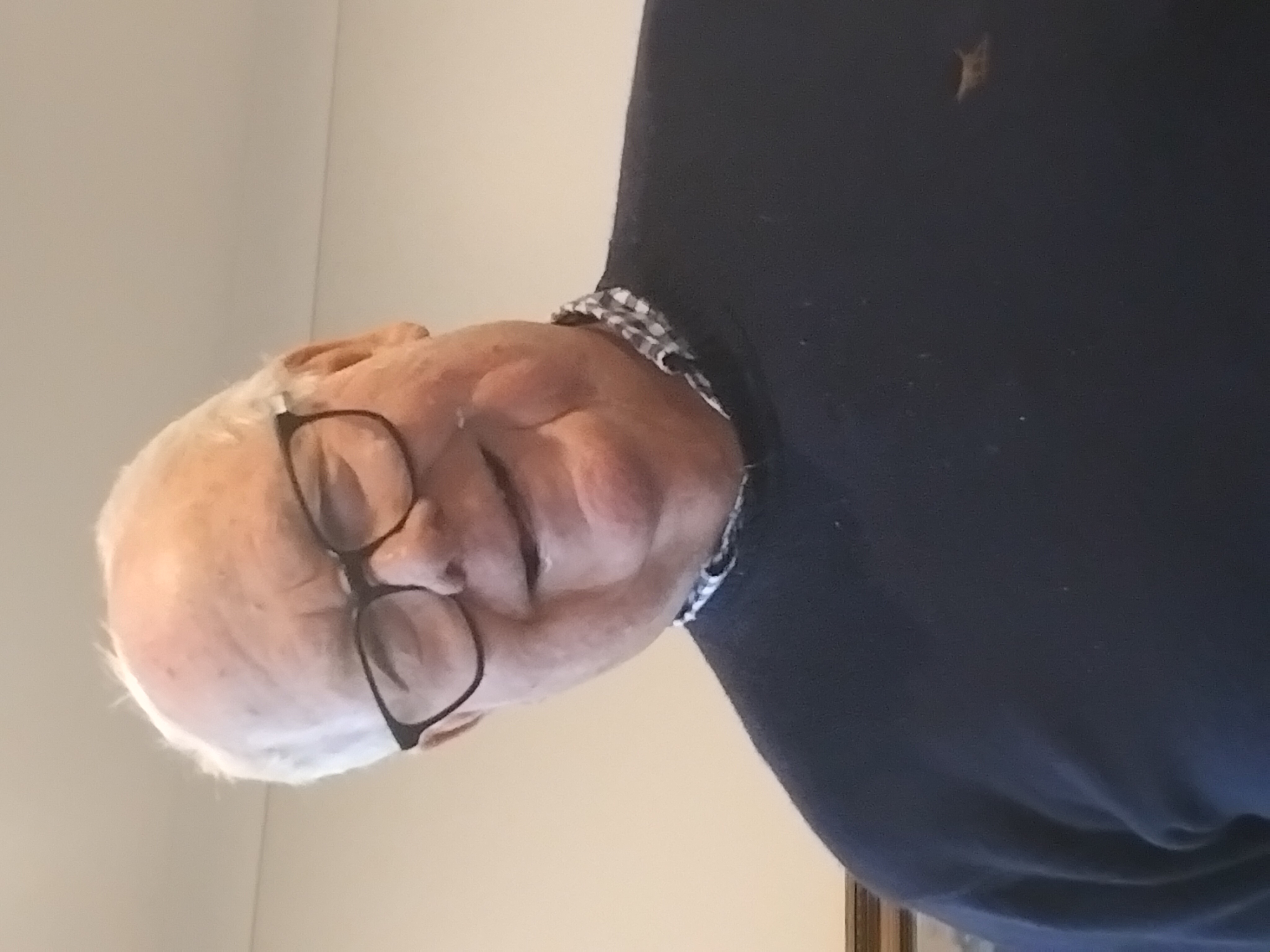 Everything shifted when Barry attended a joint hearing health presentation at his retirement village — delivered through the Deaf and Hard of Hearing Foundation’s Retirement Village Outreach Programme, supported by local audiology partner Resonate.
He describes it simply:
“I poked up my ears and listened.”
The session wasn’t a sales pitch. It was education — about hearing health, about the impact of untreated hearing loss, and the options available to residents.
Crucially, Barry learned something he hadn’t known before:
There was financial help available.
The Hearing Aid Fund (HAF) could assist eligible applicants in accessing hearing technology they might otherwise delay or avoid. That knowledge mattered. For many retirees living on superannuation, a large upfront payment can be the barrier that stops action before it even begins.
After being referred for further assessment, Barry applied to the Hearing Aid Fun and was approved. He was then fitted with hearing aids.
The adjustment wasn’t instant. There were teething problems — positioning, wax, remembering to put them in, but with ongoing support from Karen, his audiologist, the difference that was subtle at first soon became undeniable.
At the Wednesday village gatherings, he could now filter background noise. In one-on-one conversations, voices felt clearer. There was less strain, less guessing.
“I wouldn’t go anywhere without them now,” he says
Yet for many people, it can take up to seven years from first noticing hearing loss to taking action.
Barry’s journey shows how the right combination of accessible education through the Retirement Village Outreach Programme, awareness of the Hearing Aid Fund, and support from an audiologist can gently shift that delay — helping people take action sooner and make decisions that improve not just their hearing, but their overall health and wellbeing.
Removing the fear and the stigma
Karen, knows that most people don’t “hop, skip and jump” into hearing aids.
“They’re a bit scared,” she explains.
“Unlike vision, where you can either read or not read, hearing loss is less obvious. It’s easy to blame background noise, people speaking too fast, or other reasons. The only way to know is by having a hearing check.”
One of the biggest fears Karen encounters?
“I’m going to look old.”
But modern hearing technology is discreet. And culturally, we’re more accustomed to seeing devices in ears such as earbuds. The stigma is softening.
More importantly, untreated hearing loss has consequences beyond hearing.
During his visit with Karen, Barry says he was treated like a person – not a patient - and that approach mattered.
“I found that the atmosphere made a difference. The opportunity to meet quarterly after being set up with the hearing aid, I thought that was very commendable."
Karen adds:
“It can feel quite daunting to get hearing aids and not know what to expect. So, we try to make our customers as comfortable as possible. When you walk into our studios, it doesn’t look like a clinic. It’s got soft couches, and we’ve got a great coffee machine. We spend half our day up in the front of the studio just talking to people and making coffee.”
Why early action matters
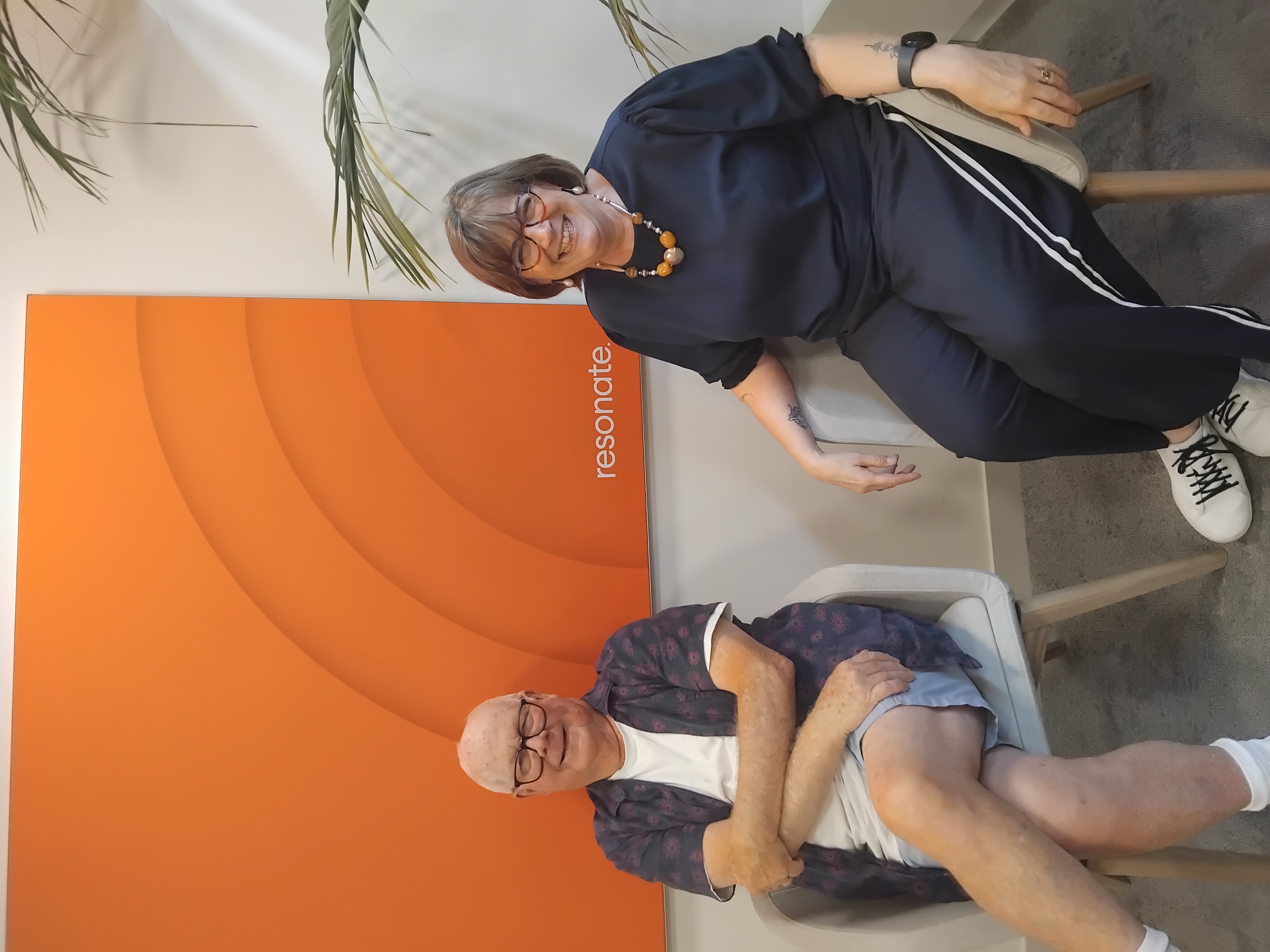 Karen is clear: there is no such thing as a “small” hearing loss.
“If you have a loss, you have a loss,” she says.
“Even a mild untreated hearing loss can impact your brain's ability to function and to focus”
Research from institutions such as Johns Hopkins University and The Lancet Commission shows that untreated hearing loss is one of the largest modifiable risk factors for dementia.
The earlier someone addresses hearing loss, the easier it is for the brain to adapt. Barry acted before his loss became severe. That decision matters. Because hearing loss isn’t just about sound.
It’s about:
- Relationships
- Confidence
- Balance
- Memory
- Staying socially connected
It’s the long game of healthy ageing.
More than hearing - it's about relationships
Hearing loss rarely affects just one person. It affects partners, families and friendships.
Barry suggests something simple but powerful: invite partners and friends to attend the presentation.
Often, it’s a spouse who first notices the problem. Shared understanding reduces frustration. It strengthens relationships.
Karen agrees:
“It’s so important for us to get the word out and explain why New Zealanders should look after their hearing, as many people are not aware of it. Hearing loss affects everything. Your memory, balance and relationships. Sometimes I joke that I'm a marriage counsellor because I meet so many couples who cannot hear each other. It's huge if we can play a role in helping that area of their life.”
When people hear better, they connect better.
The full circle: Why the programme matters
Barry’s story is the full circle the Retirement Village Outreach Programme is designed to create:
- Education about hearing health
- On-site hearing checks
- Referral to audiology
- Financial support through the Hearing Aid Fund (where eligible)
- Ongoing care and relationship
The Hearing Aid Fund removes one of the biggest obstacles — affordability. But it is limited. Cost should never be the reason someone stays isolated. That’s why growing the Hearing Aid Fund matters – particularly as demand increases.
Help more people hear their lives again
Barry’s story is not unique. Across Aotearoa, many retirees delay hearing support because of stigma, fear, or cost.
Your donation to the Hearing Aid Fund helps:
- Provide financial assistance to retirees who cannot afford hearing aids
- Reduce social isolation
- Support healthy ageing
- Protect cognitive wellbeing
- Restore relationships
Because hearing health isn’t just about ears.
It’s about staying connected to the people and moments that matter most.


No Comments
Comment below
Related Posts
How the Hearing Aid Fund helps find connection: Glenys's story
Transforming lives thanks to the Hearing Aid Fund: Mary's story